
Quick answer
Possibly.
But:
being allowed to manage your own pension does not mean you should.
Managing your own pension investments can give you:
- more control
- more investment choice
- and: greater involvement.
It also gives you:
- more responsibility
- more decisions
- and: more opportunities to make expensive mistakes.
The question is not:
"Could I do this?"
It is:
"Do I have the knowledge, time, discipline and interest to do this well for decades?"
Because this is not spare money you're playing with.
It is:
future retirement income.
What does "managing my own pension" mean?
It can mean different things.
At one end, you might simply choose between several diversified pension funds offered by your existing provider.
At the other, you might run a SIPP and personally choose:
- funds
- shares
- bonds
- or: other permitted investments.
MoneyHelper confirms that many DC pensions allow members to choose investments, while SIPPs generally offer wider investment choice.
So DIY pension investing is not one single activity.
There is a huge difference between:
choosing one diversified fund
and:
building and managing an entire retirement portfolio yourself.
Do I have to manage a SIPP myself?
No.
This is one of the biggest misunderstandings around SIPPs.
Many SIPP providers can:
manage investments for you
or:
offer ready-made options.
You might also choose to use a regulated financial adviser.
MoneyHelper explicitly says you can choose investments yourself, let a provider manage them, or pay an adviser to help.
So opening a SIPP does not mean:
congratulations, you're now a fund manager.
Why do people want to manage their own pensions?
Usually because they want:
- control
- choice
- lower costs
- or: the belief that they can achieve better returns.
Those are understandable reasons.
But each needs examining.
For example:
"I want more control."
Fine.
Control over what?
- Investment selection?
- Risk?
- Costs?
- Asset allocation?
If you cannot explain what extra control you actually need:
more control may simply mean more work.
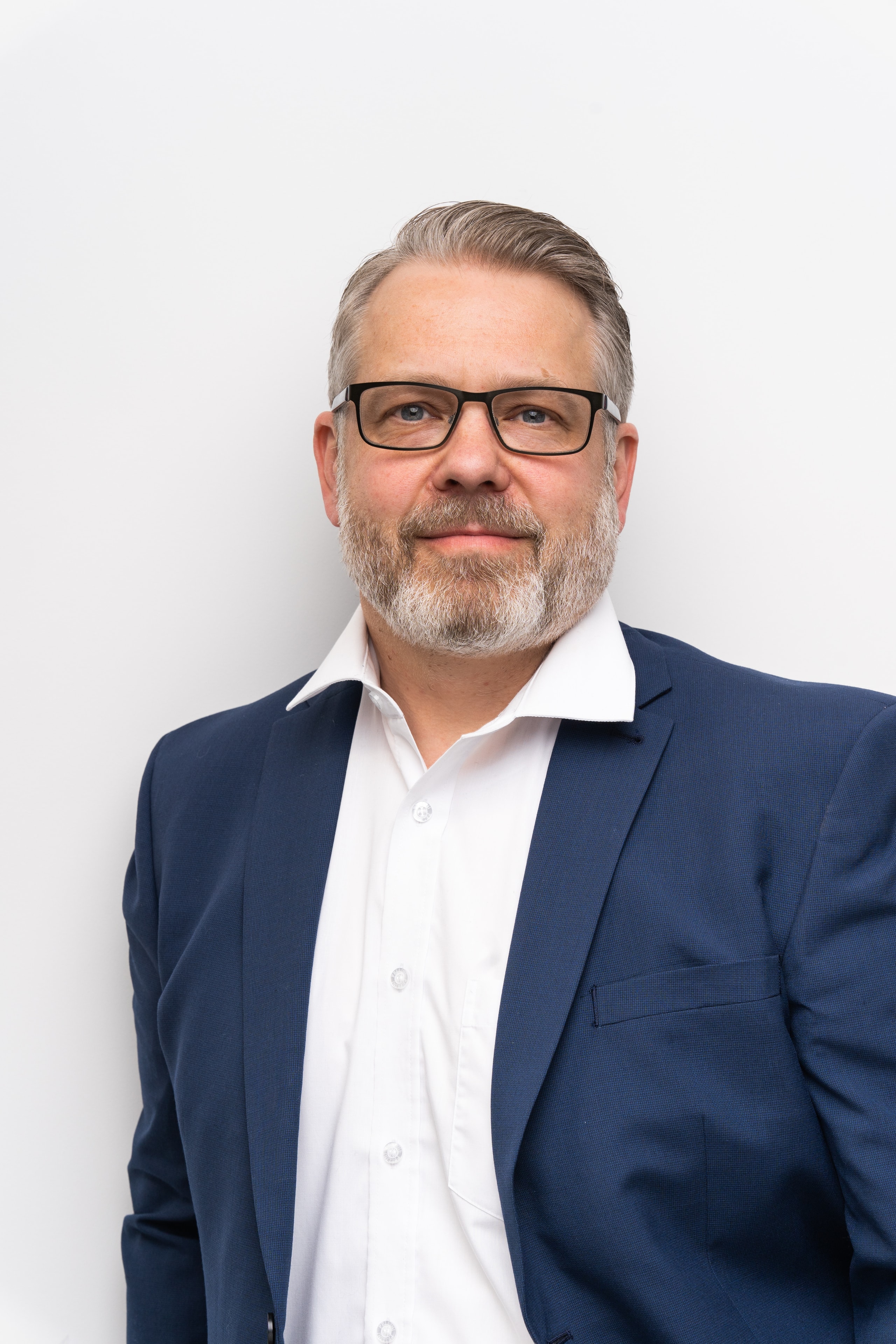
Steve's observation
People often say:
"I'd rather manage it myself because nobody cares about my money as much as I do."
Fair point.
Unfortunately:
caring about something and being good at managing it are different skills.
I care enormously about my car.
You still wouldn't want me rebuilding the gearbox.
What knowledge do I need?
You do not need to become an investment analyst.
But if you are taking control, you should broadly understand:
- investment risk
- diversification
- asset allocation
- volatility
- inflation
- charges
- time horizons
- and: how different assets behave.
MoneyHelper specifically says people choosing pension investments need to consider the risk they are willing to take, how to spread money across different investments and how charges affect savings.
If those concepts currently mean very little to you:
that does not mean you can never manage your pension.
It means:
learn before taking control.
What is asset allocation?
Asset allocation is simply how your pension is divided between different types of investments.
For example:
- shares
- government bonds
- corporate bonds
- cash
- property
- or: other assets.
The mix can have a major influence on:
risk
and:
expected long-term behaviour.
Someone could choose excellent individual funds but still build a poor overall portfolio if the combination takes inappropriate risk.
What is diversification?
Diversification means not depending too heavily on:
- one company
- one country
- one sector
- or: one type of investment.
MoneyHelper identifies diversification as an important consideration when managing pension investments.
But:
number of funds is not the same as diversification.
You could hold:
ten different global equity funds
and discover they all own many of the same large companies.
That can look diversified while actually containing considerable overlap.
Coaching point
Don't ask:
"How many funds have I got?"
Ask:
"What do I actually own?"
Much better question.
How much risk should I take?
There is no universal answer.
Risk needs to consider:
- your objectives
- timeframe
- attitude to risk
- and: capacity for loss.
MoneyHelper says retirement timing and the level of fluctuations you can tolerate are among the factors to consider when choosing pension investment risk.
We cover this properly in:
How Much Risk Am I Taking With My Pension?
The important point for DIY investing is:
you become responsible for maintaining that risk level.
What if I am decades from retirement?
A long investment timeframe can allow more time to recover from market falls.
But that does not mean:
maximum risk is automatically appropriate.
You still need a strategy you can emotionally and financially live with.
There is very little benefit in choosing a high-risk portfolio because it looks sensible on paper if you panic and sell everything during the first serious market fall.
What if I am close to retirement?
Then the consequences of investment decisions can become more immediate.
You need to think about:
when money will be needed
and:
how it will be taken.
Someone buying an annuity next year might have a different investment requirement from somebody planning to leave most of their pension invested in drawdown for another twenty years.
The question is not simply:
"How old am I?"
It is:
"When will this money actually be needed?"
What if I am already in drawdown?
Then managing investments yourself potentially means managing:
both investments and withdrawals.
That can become considerably more complex.
Investment returns, withdrawals, inflation and charges all interact.
If investments fall while withdrawals continue, the long-term sustainability of the pension can be damaged.
We cover that in:
What Happens to My Retirement Income if Investments Fall?
MoneyHelper also stresses the importance of understanding risk and diversification when constructing and managing an invested retirement portfolio.
What are the biggest DIY investing mistakes?
Often:
behavioural ones.
You can understand investments perfectly well and still make poor decisions because you're human.
Common examples include:
- performance chasing
- panic selling
- overtrading
- trying to time markets
- becoming overconfident
- holding favourite investments for emotional reasons
- or: changing strategy every time the news looks frightening.
Performance chasing
This happens when you see:
Fund A rose 25% last year
while:
your fund rose 8%.
So you move to Fund A.
But that 25% return:
has already happened.
You may simply be buying after a strong rise.
We covered this in:
Should I Change My Pension Investments?
Panic selling
Markets fall.
Sometimes significantly.
If every market fall makes you want to:
sell everything,
you may discover that managing your own pension creates worse behaviour rather than better investment outcomes.
A strategy has to survive:
bad markets
as well as good ones.
Overtrading
When a pension app makes switching investments extremely easy:
it can become tempting to keep doing it.
MoneyHelper notes that investment changes can involve fees, and people choosing their own investments may pay trading charges each time they buy or sell.
More activity does not automatically equal:
better management.
Sometimes:
doing nothing
is an active decision.
Steve's observation
Investment apps have given us an extraordinary ability to make:
long-term decisions in seven seconds while sitting on the toilet.
Technology is wonderful.
Our judgement hasn't necessarily evolved at the same speed.
Could managing it myself save money?
Potentially.
If you do not pay for certain forms of investment management or advice, costs may be lower.
But DIY does not mean:
free.
You can still pay:
- platform charges
- fund costs
- trading charges
- transaction costs
- and: administration fees.
MoneyHelper highlights these costs and notes that people selecting their own investments can face trading and switching fees.
The correct comparison is:
total cost versus the service and value received.
Is cheaper always better?
No.
If two genuinely equivalent strategies provide the same service and outcome:
lower cost is obviously attractive.
But if the cheaper option leads you to:
- take inappropriate risk
- poorly diversify
- trade excessively
- or: make behavioural mistakes,
the saving may become irrelevant.
Pause for thought
- Saving: 0.5% a year in management costs looks wonderful.
- Selling your pension after a 25% market fall because nobody stopped you panicking: less wonderful.
- Cost matters.
- So does behaviour.
Could I just buy one diversified fund?
Potentially.
Managing your own pension does not have to involve building a complicated portfolio.
Many funds already contain:
hundreds
or:
thousands
of underlying investments.
A single diversified fund could potentially provide an entire investment strategy.
That does not automatically make any particular fund suitable.
But it demonstrates an important principle:
DIY does not have to mean complicated.
Do I need individual shares?
No.
Having access to individual shares through a SIPP does not mean your pension needs them.
Individual shares can create:
company-specific risk
and:
concentration risk.
A diversified fund spreads exposure across many underlying investments.
Someone choosing individual shares needs to understand the additional risks they are taking.
What about investment research?
If you choose investments yourself:
you need a process.
Not:
"I saw someone talking about this online."
Think about:
- what the investment does
- what it owns
- risk
- charges
- how it fits with everything else
- and: why you are buying it.
If the explanation is:
"everyone seems to be buying it,"
that is not investment research.
How much time does managing a pension take?
Potentially:
not very much.
Or:
a lot.
It depends how complex you make the strategy.
But even a simple DIY portfolio requires periodic review.
MoneyHelper recommends reviewing pension investment choices:
at least once a year.
We cover the annual review process in:
How Often Should I Review My Pension?
Do I need to monitor investments every day?
No.
For most long-term retirement investors, constantly checking pension values may do more harm than good.
You are not required to react to every:
- interest-rate announcement
- election
- market fall
- or: television expert.
A long-term strategy should not need rebuilding every Tuesday.
What if I really enjoy managing investments?
That's relevant.
If you:
- understand the subject
- enjoy researching investments
- have a disciplined process
- and: are comfortable taking responsibility,
managing at least part of your pension may suit you.
But enjoyment still needs to be separated from:
overconfidence.
The pension is there to fund retirement.
Not to provide entertainment.
Could I manage part myself and leave part managed?
Potentially, depending on the pension arrangement.
It does not have to be:
all or nothing.
Someone might use:
professionally managed investments
for the core of their retirement savings
while choosing certain other investments themselves.
Or they may leave workplace pension investments managed and take more control over a separate personal pension.
Whether that is suitable depends on the circumstances.
But the principle matters:
control can exist on a spectrum.
Do I need a financial adviser?
Not everyone does.
Basic investment information and straightforward pension choices may be manageable without ongoing regulated advice.
But advice may be valuable where:
- the pension is large relative to your overall wealth
- your retirement decisions are complex
- you are unsure about risk
- multiple pensions need coordinating
- drawdown income needs managing
- tax considerations are significant
- or: you simply do not want responsibility for all the decisions.
MoneyHelper notes that a regulated financial adviser can help choose and manage pension investment options.
What does an adviser actually add?
Potentially:
- investment knowledge
- risk assessment
- portfolio construction
- retirement planning
- tax planning within the relevant advice scope
- ongoing reviews
- and: perhaps most importantly: somebody between you and the panic button.
That does not mean every investor needs an adviser.
But professional advice is not simply:
"pick me some funds."
Good advice should connect the investments to:
the life they're supposed to fund.
Steve's observation
People sometimes say:
"Why would I pay somebody? I can press Buy myself."
Absolutely.
I can also buy:
plaster
copper pipe
and:
electrical cable.
This has never made me a builder, plumber or electrician.
The button isn't the difficult bit.
The judgement is.
Questions to Ask Before Managing Your Own Pension
- Do I understand what I already own? If not: start there. Read: What Is My Pension Invested In?
- Can I explain my investment strategy in one paragraph? If not: you may not yet have one.
- Do I understand diversification? Not just the number of funds.
- Do I understand how much risk I am taking? Including capacity for loss.
- Can I tolerate a significant market fall without abandoning the strategy? Important.
- Do I understand all the charges? Including trading costs.
- Do I have the time and interest to review the portfolio? At least periodically.
- Do I know when the pension will be needed? Retirement date alone may not answer this.
- Am I making decisions from evidence or emotion? Be truthful.
- Why am I managing it myself? What genuine benefit do I expect?
Coaching point
Question ten is the important one.
If your answer is:
"I want more control because I understand exactly what I'm trying to achieve,"
great.
If your answer is:
"I reckon I could probably beat the professionals,"
I would ask a few more questions.
Frequently asked questions
What Should I Do Next?
Before changing anything:
test yourself.
Could you explain:
- what you own
- why you own it
- how diversified it is
- how much risk you're taking
- what it costs
- and: what you would do if it fell 25%?
If the answer is:
yes,
you may be in a position to consider taking greater control.
If the answer is:
no,
the next step isn't necessarily buying different investments.
It is:
understanding them.
Taking control of your pension can be empowering.
But control comes with: responsibility.
Steve's observation
The dangerous part of DIY pension investing isn't usually pressing the wrong button.
It's confidently pressing:
exactly the button you wanted to press
for completely the wrong reason.
So don't manage your own pension because:
you think you should
or:
somebody online made it look easy.
Do it because you:
understand what you're doing
want the responsibility
and:
have a disciplined long-term plan.
And if you don't?
There is absolutely nothing wrong with having somebody else manage the investments.
Your retirement does not care who pressed the button.
It cares whether the plan worked.
Thinking about taking control of your pension investments? Before you start choosing funds or shares, make sure you understand your current investments, risk, diversification, charges and retirement timeframe. If you'd like help deciding how much investment responsibility is right for you, speak to Open Door Wealth.
This guide provides general information and education only and does not constitute personal financial, pension or investment advice.
Defined contribution pensions can offer investment choice, and the extent of that choice varies by provider and pension type.
Self-invested personal pensions generally offer wider investment options than many standard personal pensions.
Choosing your own investments involves taking responsibility for investment selection, diversification, risk and ongoing review.
Investment values can fall as well as rise and you may receive back less than the amount invested.
Diversification can help spread risk but does not prevent investment losses.
Past performance is not a reliable indicator of future performance.
Charges can include pension administration, platform, fund, transaction, trading and switching costs depending on the arrangement.
Frequent trading or switching can increase costs and does not guarantee better investment outcomes.
An individual's appropriate investment strategy depends on their circumstances, objectives, timeframe, attitude to risk and capacity for loss.
Pension and investment rules can change.